Conditions
are part of the brief.
Space, lighting, access and the materials involved. Describe the environment as it is, including the conditions that change.
 Let’s talk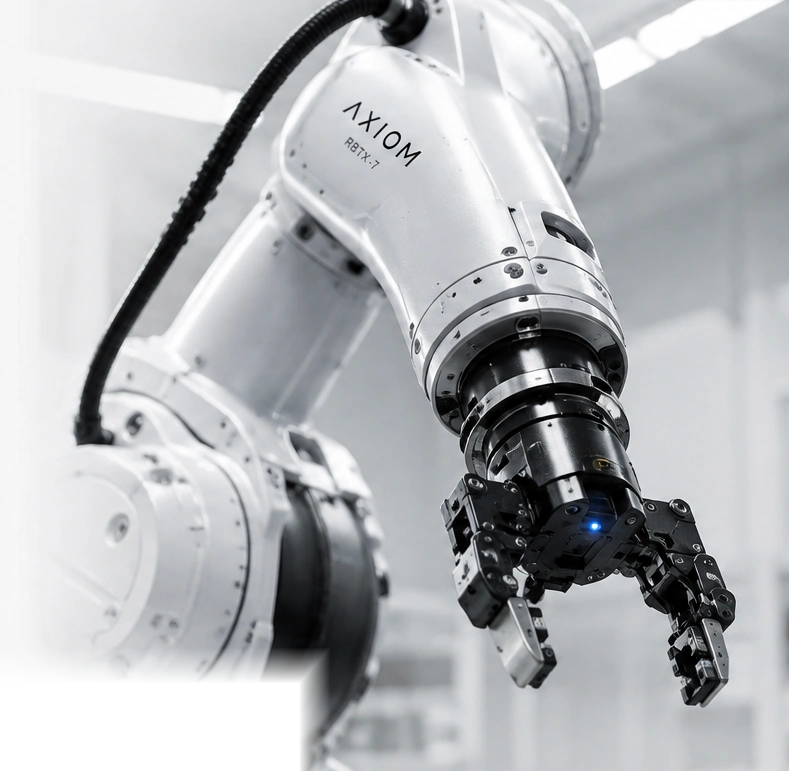
The object. The tooling. The movement.
Every choice starts with the actual task.
Explore the parts of the engineering brief.
Not a headline specification. A task-specific conversation.
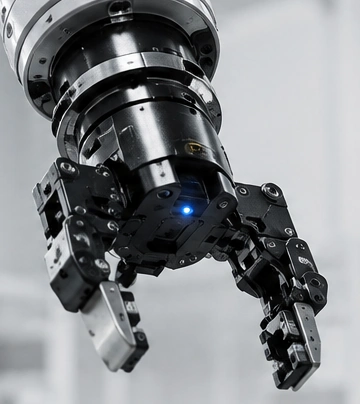
Start with what can touch the object. Surface, material, access and release determine the questions a tooling concept needs to answer.
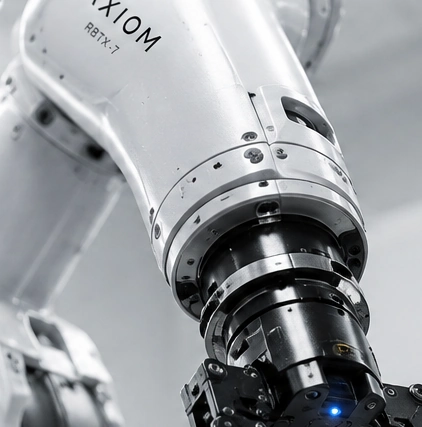
Consider the whole route, not just its end points. The working area, obstructions, required orientation and surrounding process shape the motion brief.
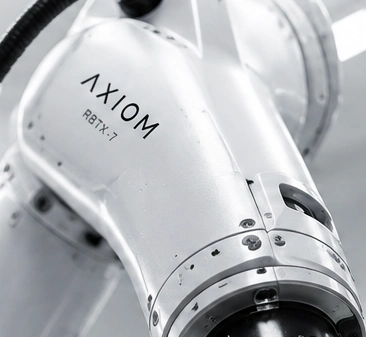
A movement needs a clear starting condition and a clear handover. Define what the surrounding system communicates and who takes responsibility next.
Space, lighting, access and the materials involved. Describe the environment as it is, including the conditions that change.
Consider what an operator needs to see, control and recover. Responsibilities and project-specific risk assessment belong in the design process.
Define acceptance criteria and a validation plan for the application. A product image or an animation cannot establish performance.
You don’t need a finished specification. Bring what you know. Leave room for what needs to be explored.
Download the preparation checklistApplication notesWhat is handled, checked or transferred?
What happens today, and what can vary?
What would a better outcome look like?
What needs to stay the same?